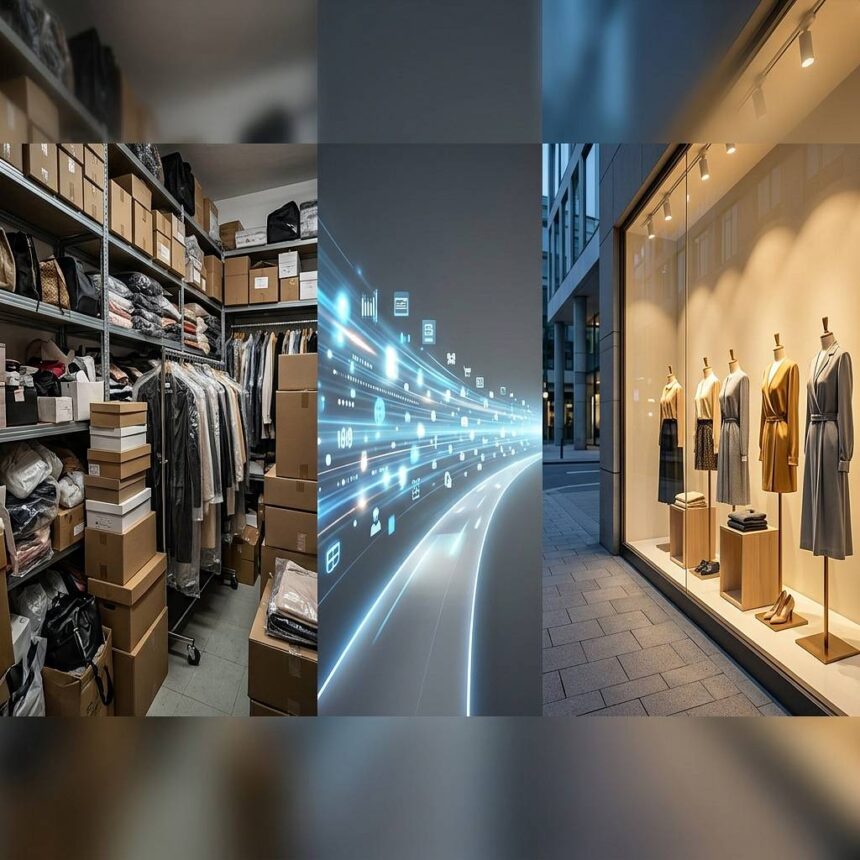

The journey of a fashion item from production surplus to sale through a private B2B market is a supply chain story that most consumers never see and many retail business owners only partially understand. The economics, logistics, and verification steps involved are genuinely interesting – and understanding them helps explain why private B2B fashion wholesale has become a multi-billion-euro market in Europe over the past several years.
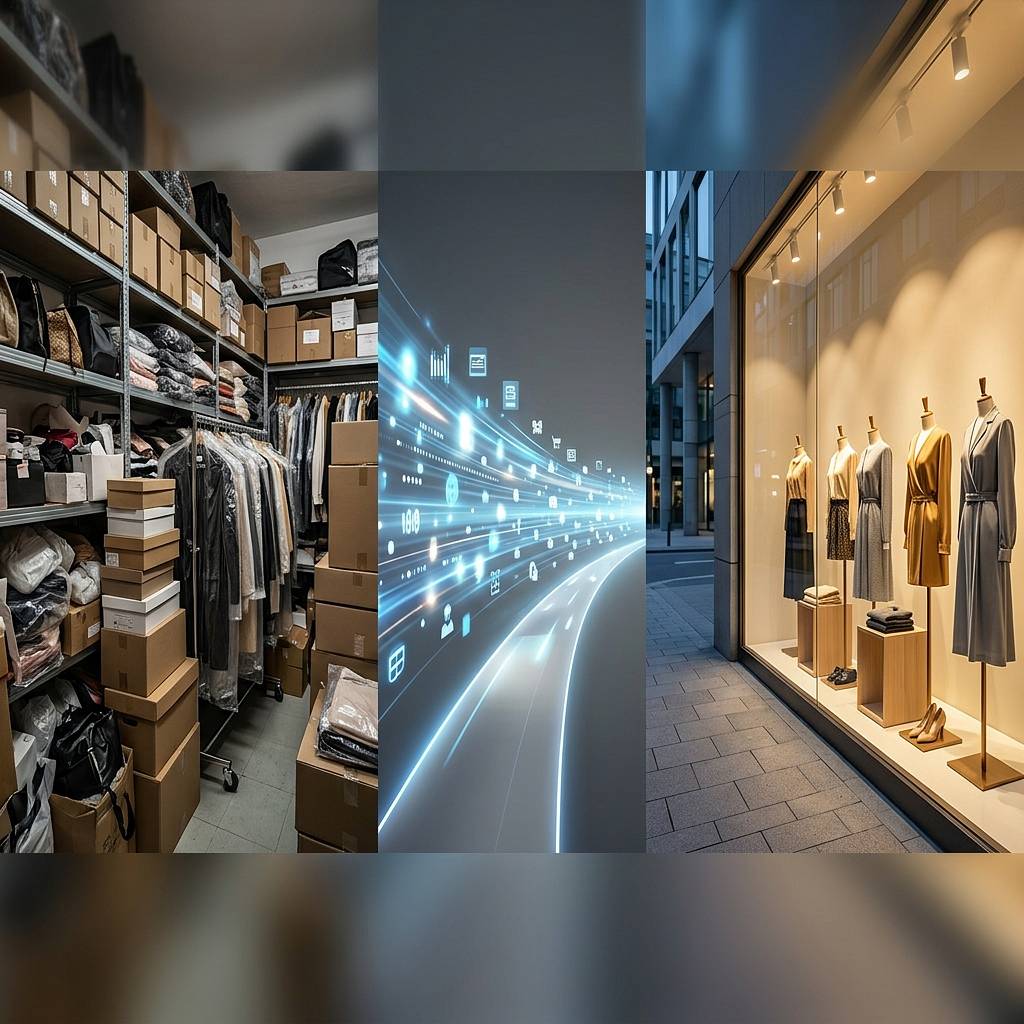
Step One: How Surplus Is Created
Fashion surplus begins not with failure but with the normal functioning of an industry built on forecast-driven production. Brands commit to production 6-12 months before inventory reaches retail floors. The production quantity is set against demand forecasts that incorporate historical performance, retailer commitment signals, and market trend assumptions.
When the season arrives and actual demand differs from forecast – as it almost always does – the result is inventory that is either short (sold out, with unmet demand) or long (overproduced, with unsold stock). The overproduced position is surplus.
For a major lifestyle brand, this might represent tens of thousands of units of authenticated, production-quality product in current season colourways and styles – inventory that carries all the same value as the units that sold at full price, but which the brand’s commercial situation requires it to move outside primary channels.
Step Two: Why Brands Choose Private B2B
A brand with meaningful surplus inventory has several options. It could mark down through its own retail channels, but this risks training consumers to wait for discounts. It could sell to a bulk liquidator, but the recovery rate is poor and the brand control over the stock’s next destination is effectively zero. Or it could list on a verified private B2B platform.
The verified private B2B route wins on multiple brand-protection dimensions. Buyers are verified legitimate trade businesses, not general consumers or resellers who might undercut the brand’s own retail. Geographic restrictions can be applied, ensuring surplus does not appear in the brand’s active retail markets at prices that undermine its authorized retailers. And the confidential listing architecture of most private platforms means the brand’s surplus position is not publicly associated with its name.
For these reasons, both brands and their authorized distributors have increasingly shifted their surplus management toward private B2B platforms as the primary clearing channel.
Step Three: How Buyers Access and Evaluate Deals
On the buyer side, the private B2B market requires a different approach than conventional wholesale buying. There is no seasonal catalogue and no predictable order cycle. Available inventory depends on what suppliers have listed, which changes continuously as new surplus positions are cleared.
The buyers who perform best in this environment are those who have integrated regular platform monitoring into their buying workflow – checking available inventory against their current stock requirements on a frequent basis, and moving quickly on positions that match their needs and price expectations.
Platforms like Unfrosen make this practical through structured listing formats, category filtering, and notification systems for new listings in buyer-defined categories. The buyer’s role is to be ready to evaluate and act quickly – the platform’s role is to ensure that every listing is from a verified source and that the product is exactly what it is described to be.
Step Four: The Transaction and What Follows
When a buyer commits to a surplus position on a verified private platform, the transaction follows a commercial process broadly similar to conventional wholesale: price agreement, payment terms, logistics coordination, and delivery. The key difference is the verification layer that has already been applied – the buyer knows the seller is legitimate, the seller knows the buyer is a legitimate trade business, and both parties can proceed with the confidence that the platform’s onboarding process has established.
What follows the transaction – the inventory arriving in a boutique, being sold to consumers at retail prices that reflect the buyer’s actual cost structure rather than official wholesale economics – is the commercial outcome that makes the whole supply chain dynamic valuable.
A retailer who sources a seasonal position through Unfrosen at 25% of retail, sells it at 95% of retail, and keeps 70 cents of gross margin on every pound of revenue is running a fundamentally different business than one buying the same product at official wholesale and keeping 52 cents. The supply chain journey from brand surplus to that retail sale is the story of how private B2B wholesale creates value for every participant in the chain.
The private B2B fashion wholesale market has matured from an informal workaround into a structured, verifiable, and commercially significant part of the European fashion supply chain. Understanding how it works – from surplus creation to verified sale – is increasingly a prerequisite for competitive independent retail in 2026.